Emotional Beauty: Why Your Customers Are Buying Feelings, Not Just Formulas
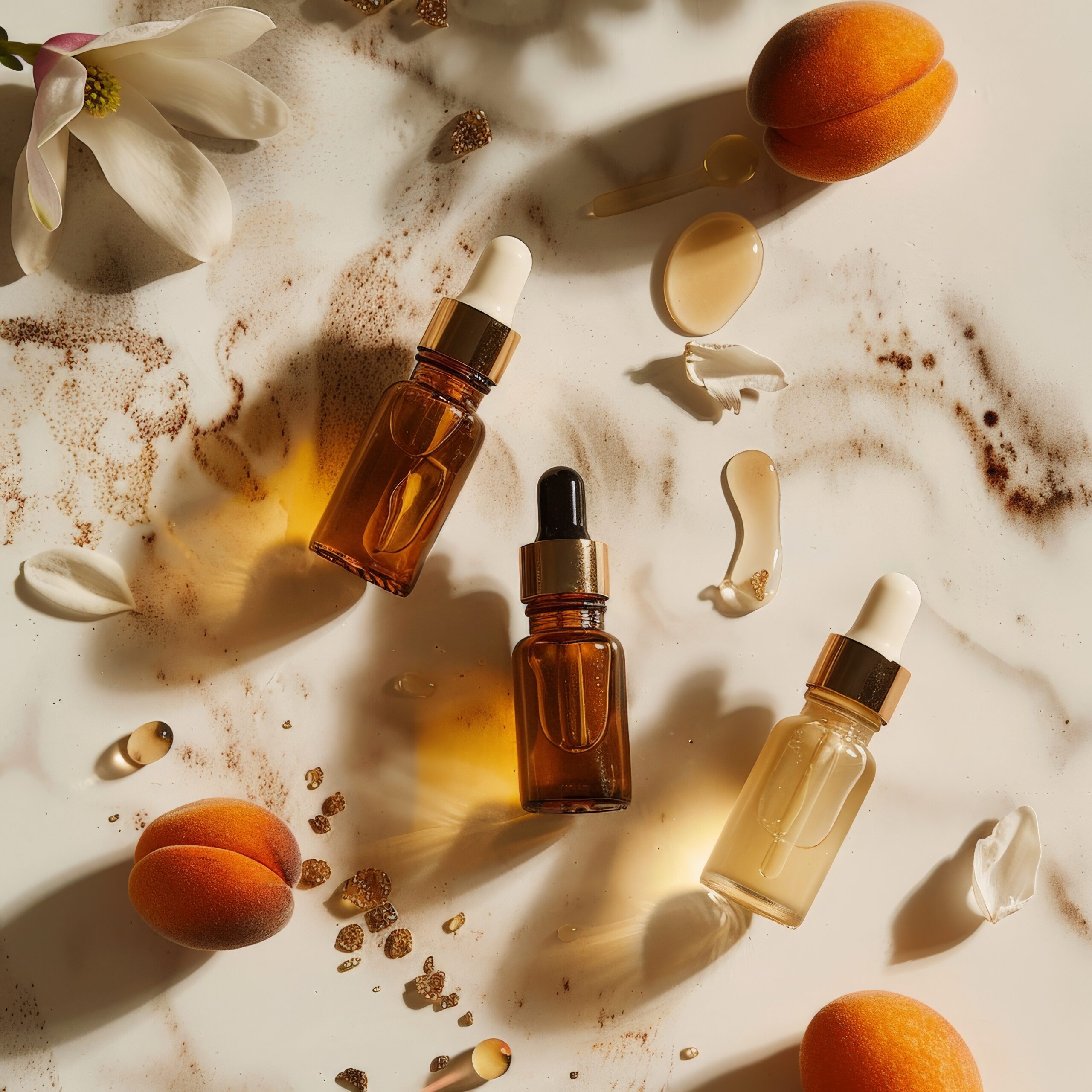
Let’s stir up some magic in the lab with today’s hot topic: the rise of emotional consumption in beauty, and why your next bestseller might have less to do with what a product does and everything to do with how it makes someone feel.
If you have been formulating, launching, or scaling a beauty brand over the past year, you have probably noticed something shifting under the surface. Customers are not just comparing ingredient decks and price points anymore. They are asking a quieter, more personal question before they buy: will this make me feel better?
That single question is rewriting product development briefs across the industry. Let’s walk through exactly what is driving it, what the data actually says, and how you can build it into your formulas without ever crossing a regulatory line.
Consumers Are Regulating Their Mood Through What They Buy
We are living through a genuinely strange moment for collective wellbeing. Digital overload, constant connectivity, and information fatigue have become part of daily life for most of your customers, and the research backs up what you are probably already sensing from your own community.
The World Happiness Report 2026, published by Oxford’s Wellbeing Research Centre alongside Gallup, found that heavy and passive social media use is linked to a measurable drop in wellbeing among young people, particularly in Western Europe and North America. Life satisfaction among under-25s has fallen sharply over the past decade, creating a distinct need for daily comfort.
That matters for us as formulators and brand builders because it explains a massive behavioral shift happening right now. People are actively looking for ways to self-regulate, and increasingly, they are doing it through intentional micro-consumption rather than through grand lifestyle overhauls.
You can see it in the return of tactile, analogue rituals, in the boom of the experiential escape economy, and in the way beauty routines themselves have quietly become a form of daily therapy. Mintel forecasts that by 2030, beauty products will be judged not only on topical efficacy but on their explicit ability to regulate emotion, soothe, or energize. In other words, the ritual is becoming a core part of the results.
Texture, Scent and Ritual Are Becoming Core Performance Metrics
Sensoriality is no longer just a nice finishing touch. It is becoming a primary purchase driver in its own right. Sensient Beauty’s 2026 trend outlook describes texture as the new measure of efficacy, highlighting phase-changing formulas, jelly or mousse consistencies, and functional fragrance layering designed to create an immediate psychological moment of pleasure alongside the traditional skincare benefit.
K-beauty brands have led the charge here for years with overnight masks that transform from balm to oil, bubble cleansers, and micro-capsule serums that burst on application. Wholesale data suggests customers will happily pay thirty to fifty percent more for a product that delivers that level of sensory payoff.
On the retail side, brands are leaning hard into experiential and sensory retail. This includes everything from pop-ups that engage all five senses to in-store diagnostics and immersive product launches paired with hospitality or wellness partners. The common thread across every example is the same: consumers want products and experiences that feel intentional, embodied, and a little bit indulgent in a world that otherwise feels rushed and depersonalized.
What This Means for Your Formulation Strategy
So how do you actually translate an emotional wellness trend into a stable INCI list and a commercial formulation? Here is how to approach this brief at the bench:
- Design Advanced Rheology: Think about texture as a deliberate performance metric rather than an afterthought of your base formula. A thixotropic oleogel that melts upon skin contact, a liquid crystal emulsion that mimics the skin barrier, or a cooling gel-cream all deliver a sensory signature that customers associate with luxury and emotional comfort.
- Leverage Functional Aromatherapy: Utilize essential oils and volatile aromatic compounds to support a calming or energizing positioning. By focusing on specific ester-rich or terpene-rich botanicals, you can influence the olfactory pathways to enhance the user experience while staying firmly within what you can scientifically substantiate.
- Build Intentional Ritual Sequences: Do not underestimate the power of ritual design. Even something as simple as a two-step application sequence, a scent profile that slowly unfolds as the product warms on the skin, or weighted packaging that invites a slower gesture can turn a basic functional product into an emotional anchor.
From Concept to Bench: Want to develop a signature texture or an advanced functional fragrance profile that passes stability testing? This is exactly the kind of custom development work we offer in our Brussels lab. Let’s collaborate: contact us here!
The Compliance Reality Check Nobody Talks About Enough
Now, because I would never let you walk into a trend without your regulatory hat on, let’s talk about the part that trips up so many indie brands.
Under EU Regulation 655/2013 on cosmetic common criteria, you can absolutely talk about the sensory experience, the texture, the scent, and the comforting ritual of use. What you cannot do is imply a psychological or medicinal effect that your product has not been strictly substantiated to deliver.
Words like calming, soothing, or comforting are generally perfectly acceptable when explicitly tied to skin feel or a pleasant fragrance experience. However, claims that suggest your product reduces clinical anxiety, treats chronic stress, or has a physiological, therapeutic effect on mood will cross into dangerous territory. In most cases, these claims will push your product out of cosmetic status altogether and into the category of an illegal, unapproved medicinal device.
Regulatory Compliance: Getting the emotional positioning right without overstepping the line is one of the trickiest parts of building a wellness brand today. Protect your business from compliance audits with our Cosmetic Compliance & Labelling Guide E-Book.
Bringing This Trend Into Your Brand Without Losing Yourself
The beauty of this particular trend is that it rewards genuine authenticity over corporate gimmicks. You do not need a smart device or an expensive AI diagnostic tool to tap into emotional consumption. What you need is a genuinely considered sensory experience, honest storytelling about why you selected your ingredients, and usage cues that reflect your brand’s real personality.
Start small by running an audit on your current lineup:
- Look at your current bestseller and ask what emotional experience it currently delivers, intentionally or not.
- Ask what a slightly more deliberate texture modification, scent layering, or usage ritual could add to the experience.
- Review whether your current packaging copy and marketing language actually reflect that experience accurately and compliantly.
This single audit can completely reposition an entire product line with minimal, cost-effective reformulation.
Emotional consumption is not a passing fad dreamed up by trend agencies with nothing better to do. It reflects something deeply real about how overstretched and overstimulated your customers feel right now. Skin care has always been one of the most powerful, accessible tools people reach for to feel a little more like themselves again. Formulate for that reality honestly, back it up with proper substantiation, and you will build a brand that lasts a lot longer than a social media hashtag cycle.
Here’s to formulas that work and brands that thrive!
From my lab to yours,
Rose

Add comment