
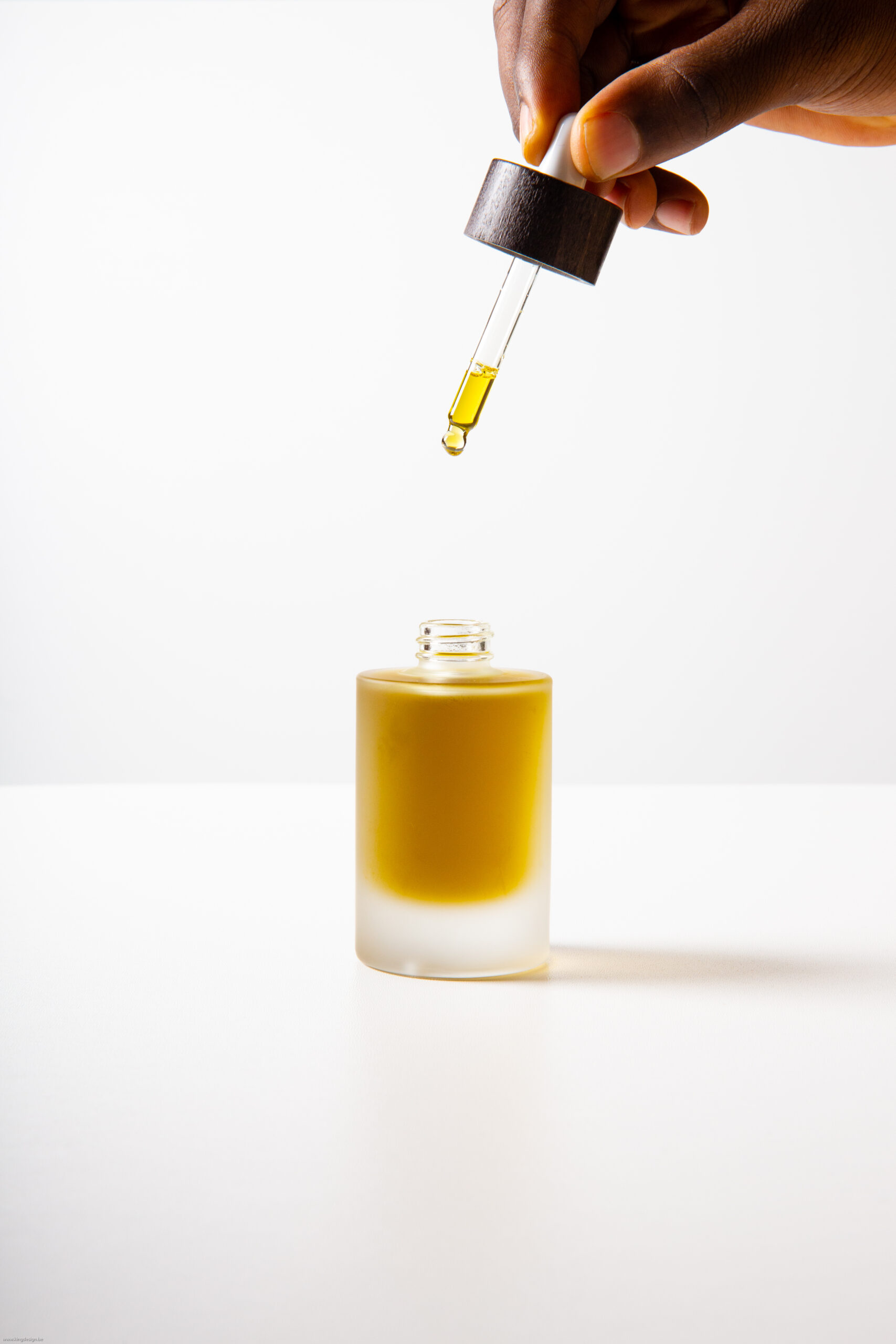
The Psychology Behind Premium Beauty Brands: Why Consumers Willingly Pay More
Let’s stir up some magic in the lab with today’s hot topic: the psychology behind premium beauty brands and why consumers willingly pay more.
Have you ever looked at two face creams with relatively similar product formats, only to find one selling for €25 and another for €125? Or watched someone happily spend €70 on a beautifully packaged hair mask while insisting that €6 is far too expensive for a bottle of shampoo at the supermarket?
Welcome to the fascinating world of beauty consumer psychology.
Here is the first thing every beauty founder and cosmetic formulator needs to understand: consumers do not evaluate cosmetic products purely by calculating the cost of the ingredients inside the jar. They evaluate the entire experience surrounding that product.
The formula matters enormously, of course. But so do the packaging, positioning, credibility, sensory experience, brand identity, claims, purchasing environment and even the way owning the product makes someone feel.
And today’s beauty consumer is increasingly selective about where that premium is justified. Consumers are becoming more value-conscious, more informed about ingredients and efficacy, and increasingly comfortable mixing premium and mass-market products in the same routine.
In other words, consumers haven’t stopped paying more. They’ve simply become much better at asking: Why should I?
Premium Beauty Is Really About Perceived Value
This is where things get interesting. Price and value are not the same thing. A €90 serum can feel expensive, while another €90 serum can feel completely worth it.
The difference is perceived value.
When consumers evaluate a premium cosmetic product, they are subconsciously collecting signals. Does the packaging feel substantial? Does the formula feel sophisticated? Are the claims believable? Does the brand seem knowledgeable? Is there something genuinely distinctive about the ingredients, technology or experience? Does the product solve a problem they care deeply about?
Premium positioning is not simply: Higher price = higher perceived value.
It works much more like: Performance + credibility + differentiation + experience + emotional relevance = higher perceived value.
And when that perceived value comfortably exceeds the price in the consumer’s mind, purchasing suddenly becomes much easier to justify.
We Don’t Buy Cosmetics Only for What They Do
Imagine buying a beautifully formulated face serum. Technically, you purchased an emulsion or solution containing cosmetic ingredients.
Psychologically? You may have purchased confidence. A morning ritual. A feeling of taking care of yourself. The hope of improving something that bothers you. A little luxury sitting beside your bathroom mirror.
Beauty products are unusually emotional consumer goods because they interact directly with appearance, identity, confidence, touch, scent and daily rituals.
That helps explain something fascinating about premium beauty branding: the consumer isn’t necessarily comparing your €60 serum with every other thing €60 could purchase. They may be comparing it with other forms of self-care, indulgence or personal investment.
A premium cosmetic product therefore needs to deliver both functional value and emotional value. And the best premium beauty brands understand both.
Packaging Starts Talking Before Your Formula Does
Before anyone experiences your gorgeous formula, the packaging has already started communicating information about it.
Weight, texture, typography, closure mechanisms, bottle shape, colour palette, dispensing system, secondary packaging and even the sound of a cap closing can influence expectations.
Premium packaging therefore isn’t necessarily packaging covered in gold foil. In fact, restrained packaging can communicate luxury extremely effectively. What matters is consistency between what the brand claims to be and what the consumer experiences.
A minimalist clinical skincare brand might create premium cues through precise typography, pharmaceutical-inspired packaging and technical information. A botanical luxury brand might use tactile materials, sophisticated natural colours and sensorial storytelling.
The goal isn’t to scream, “THIS WAS EXPENSIVE!”
The goal is to make every visual and tactile decision feel intentional.
The Formula Still Has to Earn Its Seat at the Fancy Table
Here is where I put my cosmetic chemist hat firmly back on! Beautiful branding can generate the first purchase. It cannot endlessly compensate for a disappointing product.
This matters even more today because consumers have access to ingredient databases, cosmetic chemists on social media, dermatologists, reviews, Reddit discussions, comparison videos and thousands of alternative products within seconds.
That is a gigantic warning sign for any founder planning to take an ordinary formula, put it into a beautiful bottle and multiply the price by five.
Premium formulation needs a reason to exist. That reason might be an unusually elegant texture, a sophisticated delivery system, a difficult-to-source ingredient, strong performance, innovative product format, exceptional sensory profile or a brilliantly formulated solution to a specific consumer problem.
Your consumer may not understand every technical decision behind your formula, but they can certainly experience the result.
Sensory Experience Is Part of the Product’s Value
Think about what happens when someone opens a premium moisturiser.
They see the product. They smell it, unless it is fragrance-free. They touch it. They spread it. They notice how quickly it absorbs. They feel their skin five minutes later.
That entire sequence is product communication.
A silky serum that glides beautifully before disappearing into the skin communicates something very different from a sticky serum that pills underneath sunscreen.
For haircare, slip, foam, rinse-off feel, combability, fragrance and the condition of the hair after drying all contribute to the consumer’s perception of quality.
This is why sensory optimisation during cosmetic formulation is not superficial. It is part of product development and, ultimately, brand positioning.
Premium products are expected to feel considered.
Premium Brands Sell Identity, Too
There is another psychological layer behind premium beauty purchases: self-congruity. Consumers often gravitate towards brands that reflect who they are, or who they would like to become.
The minimalist skincare customer may want to feel knowledgeable and sophisticated. The botanical beauty customer may identify with craftsmanship and nature. Someone buying cutting-edge scalp care may enjoy feeling ahead of the beauty curve.
This is why strong premium beauty branding creates a recognisable world.
Your photography, website, packaging, copywriting, formula philosophy, ingredients and customer experience should feel as though they belong to the same universe.
If your packaging says luxury, your website says discount shop and your customer service says “we’ll reply sometime next week”, that universe collapses rather quickly.
Scarcity and Exclusivity Can Increase Desirability, But Be Careful
Luxury has traditionally relied heavily on exclusivity. Limited distribution, selective availability, special editions and carefully controlled retail environments can make products feel more desirable.
But modern beauty is changing. For smaller beauty brands, that means you do not necessarily need artificial scarcity to appear premium.
Being distinctive can be more powerful than simply being difficult to buy.
A specialist product for curly hair, sensitive skin, menopausal skin, scalp concerns or another clearly defined consumer need can create desirability because the customer thinks, “Finally, somebody made this specifically for me.”
That feeling can be incredibly valuable.
Price Itself Still Sends a Signal, Just Not Enough of One
Pricing psychology is complicated because consumers use price as one piece of information among many.
A suspiciously low price can create questions. How was this made so cheaply? Are the ingredients good? Is the brand legitimate?
But increasing the price does not automatically increase credibility. Today’s beauty consumer is far too informed for that trick to work reliably.
This is why your cosmetic pricing strategy should start with your actual economics, including formulation development, testing, regulatory compliance, packaging, manufacturing, logistics, marketing, retailer margins and desired profit, and then be evaluated against your positioning and the value delivered to your target customer.
Premium pricing needs evidence supporting it.
So, Why Do Consumers Willingly Pay More?
Because when premium beauty works properly, they are not simply paying more for ingredients.
They are paying for confidence in the product, formulation quality, performance, differentiation, convenience, sensory pleasure, beautiful design, trust, identity, customer experience and the emotional enjoyment attached to using it.
But there is one lesson I desperately want new beauty founders to remember.
Premium is a promise.
The higher your price climbs, the more evidence consumers expect that your product deserves its place there.
That doesn’t mean your formula needs fifty actives, a ridiculously expensive jar or a scientific breakthrough worthy of a Nobel Prize. It means the complete product experience needs to make sense.
If you want to build a premium beauty brand, don’t start by asking, “How expensive can we make this look?”
Ask instead: “How much value can we genuinely create for this customer?”
Build the formula around that answer. Build the packaging around it. Build your claims, customer service, website, photography and communication around it.
Then your premium price becomes the consequence of a product and brand experience people genuinely value instead of being just a business strategy.
Here’s to formulas that work and brands that thrive!
From my lab to yours,
Rose



Add comment