Sensory Cosmetics: Why Texture, Scent and Sound Are Your Next Growth Lever
Let’s stir up some magic in the lab with today’s hot topic: sensory cosmetics. This beautifully tactile, emotionally clever trend is turning ordinary skincare routines into full-blown five-sense experiences.
I do not know about you, but this is one of the trends I get genuinely giddy about. It sits exactly at the intersection of everything I love about this industry: the science, the psychology, and the sheer craft of formulation. Consumers are not just buying products anymore; they are buying moments. The brands that understand how to engineer those moments deliberately, through texture, scent, sound, and even neuroscience, are the ones pulling ahead right now.
The Data Behind the Sensory Boom
This is not just a vibe; there is real commercial data backing it up. Google search interest around the term “sensory experience” has climbed sharply, and the hashtag “sensoryexperience” is gaining steady traction. Consumers are actively searching for products that deliver more than just a functional benefit. They want to feel a product working in real time, whether that is a cooling gel, a whipped texture that melts on contact, or a scent that triggers an emotional memory.
Layered on top of this is the rapid rise of neurocosmetics, a category that blends neuroscience with skincare formulation to influence mood and wellbeing alongside visible results. Independent market research now places the global neurocosmetics market at well over two billion dollars, with most forecasts pointing to steady annual growth through the early 2030s. This is a fast-growing commercial opportunity for brands willing to invest in proper substantiation.
Texture as a Formulation Superpower
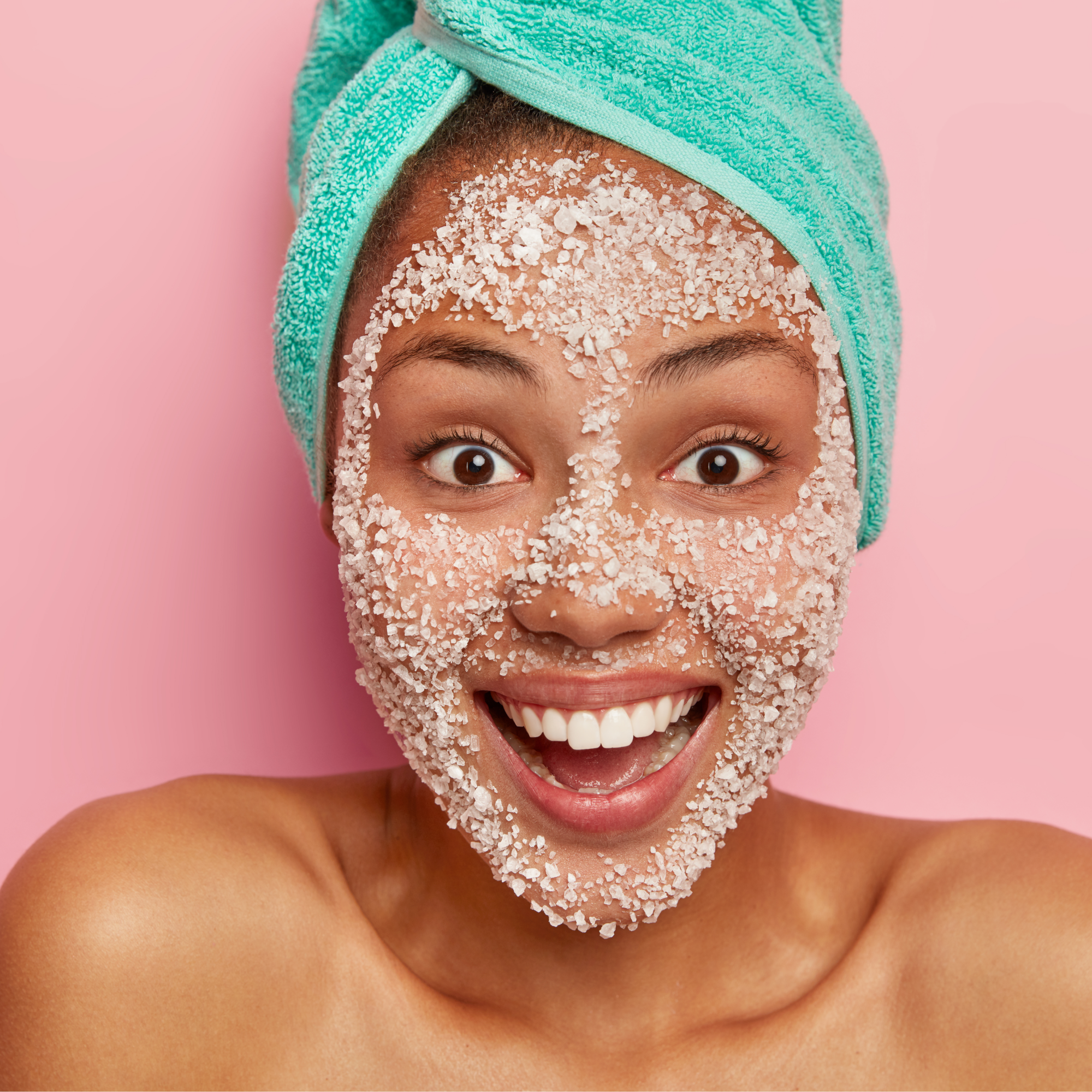
We have moved well past the idea that a good moisturizer just needs to absorb nicely. Textures now carry emotional weight. Formulators are being asked to design for playtime, meaning how long a product stays engaging on the skin during application.
- Massage-Activated Gel Creams: These formulas shift from a translucent, almost slime-like texture into a nourishing, non-tacky finish. They offer an at-home echo of a spa treatment without the spa price tag.
- Whipped and Filament-Forming Textures: These are used deliberately to extend tactile engagement. The longer and more pleasurable the application ritual feels, the stronger the emotional association a customer builds with your brand.
- Functional Fragrance Storytelling: Rather than treating fragrance as a finishing touch, the most successful formulas use scent as a memory trigger. Leaning into nostalgic, gourmand notes like banana or caramel can transport the user back to a specific, comforting childhood association while delivering genuine skin benefits.
Sound and Nostalgia: The Underused Sensory Channels
Here is a genuinely underexplored opportunity for indie brands specifically. Sound is still one of the most underused sensory channels in beauty, and a handful of brands are experimenting with sonic branding, from bioacoustic soundscapes built around environmental sourcing stories to signature audio cues woven into packaging and digital content. You do not need a full sound design budget to borrow this thinking. Even something as simple as a considered unboxing sound, a signature jingle for your social content, or a soundtrack curated for your in-store or pop-up experience can start building the same kind of sensory memory at a fraction of the cost.
Nostalgia deserves its own mention too, because it is proving to be one of the most commercially reliable emotional triggers in beauty right now. Brands reviving cult early-2010s packaging or building teaser campaigns around beloved childhood aesthetics are seeing genuinely fast, high-engagement responses. For newer or smaller brands, this is worth remembering as a positioning tool, not just a big-brand play. A well-chosen retro colour palette, a familiar scent note, or packaging that nods to a shared cultural memory can do a lot of emotional heavy lifting in your branding.
When the Science Gets Serious: Skin-Brain Formulation
Now for the part that genuinely excites the cosmetic chemist in me. The skin-brain axis, meaning the biological relationship between skin sensory receptors and the nervous system, is becoming a serious area of ingredient innovation, and it featured heavily at this year’s major industry trade events. Mechanosensitive skin receptors, which respond to touch and pressure, are being targeted by specific actives with the aim of supporting the skin’s natural stress response and comfort signalling.
This is genuinely promising formulation territory, but it is also exactly where I want to plant a very clear flag for you as a regulatory consultant, because it is the part of this trend most likely to get an ambitious brand into trouble.
The Claims Line You Cannot Cross
Under EU Regulation 655/2013, you are welcome to describe a sensory experience, a comforting texture, a mood-lifting scent, or a skin feel that customers genuinely enjoy. What you cannot do, without robust clinical substantiation held in your Product Information File, is claim that your product biologically triggers a specific hormone release, reduces cutaneous stress through a defined neurological mechanism, or delivers a measurable psychological or emotional effect. Terms describing a mechanism of action at the receptor or hormonal level are scientific claims, and they need to be backed by proper in vivo or ex vivo data, not simply borrowed from a raw material supplier’s technical dossier.
This does not mean you cannot play in this exciting space. It means your marketing copy needs a claims review before it goes anywhere near packaging, particularly if you are working with a supplier-provided active that comes with impressive-sounding neurocosmetic claims already attached, because the substantiation behind that ingredient claim does not automatically transfer to your finished formula without your own testing. This is exactly the kind of review I build into claims compliance consultations for clients working with emerging actives, so feel free to reach out with your questions!
Bringing Sensory Formulation Into Your Own Brand
You do not need a neuroscience lab to tap into this trend authentically. Start by auditing your current bestseller purely on sensory terms. What does it feel like, smell like, sound like when the jar opens, and how long does the application experience actually last? Then ask where you could deliberately extend or elevate that experience, whether through a texture tweak, a signature scent note, or simply more intentional packaging and unboxing design.
If you want to build texture-led or scent-led formulation into your next product development brief, this is precisely the kind of sensory design work I love bringing into lab projects with clients, from concept through to full stability testing. And if you are newer to formulation and want a structured way to learn these techniques yourself, my courses & e-books at MB Cosmetic Academy cover sensory texture design as part of the core formulation curriculum: learn more here.
Sensory beauty is not about gimmicks, it is about respecting how deeply texture, scent and even sound shape the way your customers experience and remember your brand. Formulate for that intentionally, stay firmly within what you can substantiate, and you will build something that people do not just use, but genuinely look forward to.
Here’s to formulas that work and brands that thrive!
From my lab to yours,
Rose




Add comment