
Understanding the Skin Barrier: What Every Beauty Founder Should Know
Let’s stir up some magic in the lab with today’s hot topic: the skin barrier, why it matters so much in modern skincare, and what every beauty founder should understand before launching products that claim to hydrate, soothe, repair or protect the skin.
The phrase “skin barrier” is everywhere. It appears on product labels, social media, trend reports, retail websites and ingredient presentations. Customers ask for barrier creams, barrier serums and barrier repair products. Brands rush to add ceramides, cholesterol and fatty acids to their formulas. Suddenly, every moisturiser seems to promise support for the skin barrier.
But here is the truth. If you are a beauty founder, cosmetic startup or newbie formulator, the skin barrier is not just a trendy marketing phrase you should sprinkle into your copy. It is one of the most important concepts in skincare product development. When you understand what the skin barrier actually does, why it becomes compromised and how formulas can support it, you make better decisions across the board. You choose better product types, brief your cosmetic laboratory more clearly, create more relevant claims and build stronger trust with customers.
A lot of skincare confusion starts when brands talk about the skin barrier without really understanding it. They use the language, but the product does not fully match the promise. That is when consumers start to feel that the marketing sounds good, but the formula does not truly deliver the experience they expected. On the other hand, when a founder really understands barrier support, even at a non-chemist level, the whole product line becomes more strategic.
In this article, we are going to break down what the skin barrier is, why it matters, what weakens it, how this affects different skin concerns, and what beauty founders should pay attention to when creating barrier-focused skincare products.
What Is the Skin Barrier, Really?
The skin barrier is often described in simple terms as the outer protective layer of the skin. That is a useful starting point, but it helps to make it a little more vivid.
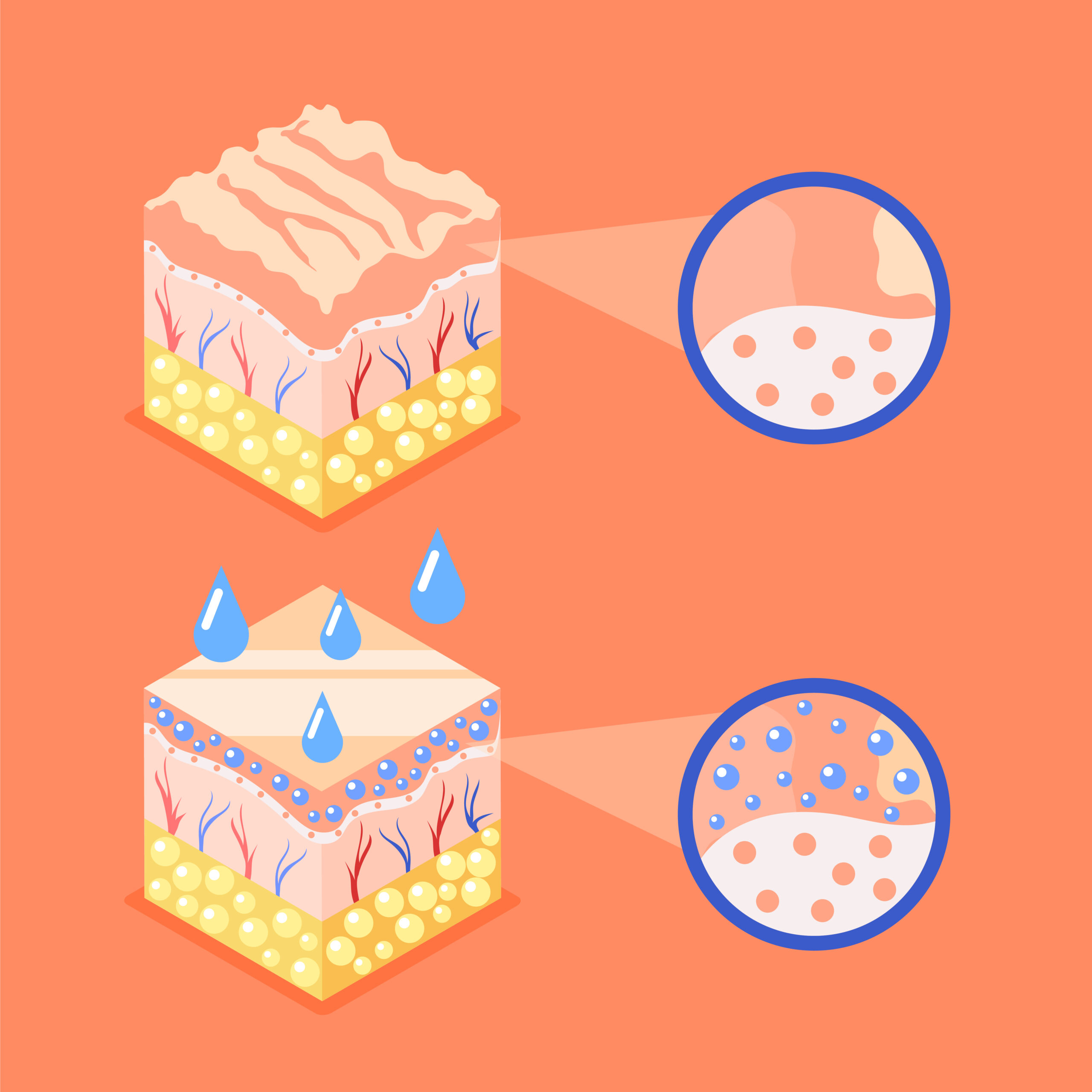
Think of the outermost layer of the skin, the stratum corneum, as a beautifully organised wall. The skin cells are like the bricks, and the lipids between them are like the mortar. Those lipids include ceramides, cholesterol and fatty acids, which help hold everything together. When that wall is in good condition, it helps the skin keep water in and external irritants out.
In other words, the skin barrier has two big jobs. It helps prevent excessive water loss, and it helps reduce the penetration of unwanted external stressors. Those stressors might include pollution, harsh weather, strong cleansers, overuse of actives or just friction from everyday life.
This is why the skin barrier is such a big deal in skincare. If the barrier is functioning well, skin tends to feel more balanced, more resilient and more comfortable. If the barrier is compromised, the skin often feels dry, tight, reactive, irritated or simply “not happy”, even before any obvious problem appears on the surface.
For beauty founders, this means that barrier support is not only relevant to sensitive skin brands. It is relevant to moisturisers, cleansers, serums, post-exfoliation products, products for dry skin, products for acne-prone skin and even products for oily skin. The skin barrier is foundational.
Why the Skin Barrier Matters So Much in Modern Skincare
The reason the skin barrier has become such a major topic is not just because it is trendy. It is because modern consumers have more product access than ever before and often more product confusion too.
People are using stronger exfoliants, more treatment serums, more retinoid products and more layered routines. They are mixing advice from dermatologists, influencers, TikTok trends and beauty forums. Sometimes they are buying products meant for advanced users without really understanding how often to use them. Other times they are simply cleansing too aggressively, over-exfoliating or using products that do not suit their skin.
The result is that many consumers are actively looking for barrier support, even if they do not fully understand what that means. They may describe their skin as dry, sensitive, irritated, red, uncomfortable or suddenly “reacting to everything”. In many cases, what they are really experiencing is a barrier that has been weakened or overwhelmed.
For a beauty brand, this creates a huge opportunity, but also a responsibility. Barrier-focused skincare can be incredibly relevant and commercially strong, but only if it is developed with real understanding. Otherwise, it becomes another vague promise in a crowded market.
What Happens When the Skin Barrier Is Compromised
A compromised skin barrier does not always look dramatic at first.
Skin may start to feel tighter after cleansing. Products that used to feel fine may suddenly sting. Redness may become more visible. Makeup may sit badly on the skin. The face may feel both oily and dehydrated at the same time. In some cases, the skin may flake. In others, it may just feel unpredictable and uncomfortable.
One of the most important concepts linked to the skin barrier is transepidermal water loss, often shortened to TEWL. This refers to the amount of water that passively evaporates from the skin. When the barrier is weakened, TEWL tends to increase. The skin loses water more easily, and that loss contributes to dryness, discomfort and vulnerability.
This is one reason why a moisturiser that only gives a temporary soft feel is not enough in many barrier-focused products. If the formula does not help support the skin structure and reduce water loss in a meaningful way, the customer may enjoy the texture initially but still feel that their skin is not improving in the long run.
For founders, this is a very useful mental shift. Barrier support is not just about making a product feel rich. It is about creating a formula that helps the skin feel more stable, more comfortable and less prone to ongoing stress.
What Weakens the Skin Barrier?
A lot of things can weaken the skin barrier, and understanding those triggers helps brands build more relevant products.
Over-cleansing is a common one. A cleanser that is too stripping can remove too much of the skin’s natural surface lipids, leaving the skin feeling tight and vulnerable.
Over-exfoliation is another major factor. Acids, scrubs and resurfacing products can absolutely be useful in skincare, but if used too often or in the wrong combination, they can leave the skin feeling raw and destabilised.
Retinoids can also challenge the barrier, especially in beginners or when layered with too many other actives.
Environmental exposure plays a role too. Cold weather, wind, sun, low humidity and pollution can all contribute to barrier stress. Even hot showers and friction from towels or shaving can make a difference.
Then there is the formula itself. High fragrance loads, essential oils, harsh surfactant systems, strong actives, high alcohol levels, unsuitable pH ranges or simply a mismatch between the formula and the target skin type can all make the skin feel more vulnerable.
This matters because a founder should never think about the skin barrier as a niche concern. It is often quietly involved in many of the complaints customers have about their skin.
What Types of Products Typically Support the Skin Barrier Best
When people think of barrier care, they often think of moisturisers first, and that makes sense. Moisturisers are usually the centre of a barrier-support routine because they help combine hydration, softening and protection in one product. But moisturisers are not the whole story.
Gentle cleansers also matter, because if the customer strips the skin every morning and evening, the best barrier cream in the world has a harder job to do. Barrier serums can be useful when they are designed to add targeted support without overwhelming the skin. Recovery balms and richer creams can play an important role for dry, sensitised or weather-stressed skin. Even mists and essences can support comfort if designed thoughtfully, though they should not be relied on alone for barrier care.
For brand owners, this means that barrier support is often strongest as a system rather than as a single isolated product. A cleanser that respects the skin, a moisturiser that supports comfort and a complementary treatment product can make far more sense than launching one “barrier repair” hero and leaving the rest of the routine working against it.
Which Ingredient Categories Matter in Barrier-Focused Skincare
Founders do not need to memorise every ingredient, but it helps to understand the main categories that often show up in barrier-support products.
Humectants are important because they help attract and hold water in the skin. They contribute to hydration and reduce that tight feeling many consumers complain about.
Emollients help soften and smooth the skin, improving comfort and helping the formula feel more elegant.
Occlusive or semi-occlusive ingredients can help reduce water loss by creating a protective layer on the surface. Not every barrier-focused product needs to be heavy, but some level of protective support often matters, especially in drier or more compromised skin states.
Biomimetic or barrier-aligned lipids are also especially relevant in this category because they help support the lipid structure the skin naturally relies on.
Then there are soothing and supportive actives, which can help reduce the appearance or feeling of discomfort while the overall formula supports the barrier more broadly.
The important thing here is not to chase a single miracle ingredient. Barrier support is rarely about one star. It is about how the formula is built as a whole.
The Skin Barrier and Sensitive, Reactive or Sensitised Skin
This is where everything starts to connect. A lot of products marketed for sensitive, reactive or sensitised skin are essentially barrier-support products, whether the brand says so directly or not. That is because many forms of skin discomfort are linked, at least in part, to barrier weakness or barrier stress.
Sensitive skin may need ongoing support to remain comfortable. Reactive skin often needs formulas that do not easily trigger discomfort and that help the skin feel more stable. Sensitised skin often needs recovery-oriented care after something has weakened its tolerance.
This is why beauty founders should not treat “barrier care” as a separate side topic. It is often the quiet foundation underneath many skincare concerns.
Final Thoughts: The Skin Barrier Is Not Just a Trend, It Is a Foundation
Understanding the skin barrier changes the way you look at skincare development. It helps you see why so many customers feel that their skin is stressed, unpredictable or uncomfortable. It helps you understand why barrier-focused skincare has become such a strong category. Most importantly, it helps you create products that actually make sense, instead of just borrowing a popular phrase for marketing.
For beauty founders, the skin barrier is one of the most valuable concepts to understand because it bridges skin concerns, formula logic, customer education and product positioning. The better you understand it, the better you can work with your cosmetic laboratory, guide your customers and build a skincare line that feels relevant and trustworthy.
If you want support translating barrier-focused concepts into retail-ready products with clear positioning, thoughtful textures and strong formula logic, my lab can help you turn that idea into skincare that feels as good in real life as it sounds on paper.
Here’s to formulas that work and brands that thrive!
From my lab to yours,
Rose




Add comment