Acids in Skincare: How to Formulate with AHA, BHA and PHA Safely and Effectively
Let’s stir up some magic in the lab with today’s hot topic: acids in skincare and how to use AHA, BHA and PHA to create high-performing, safe and truly effective cosmetic products for your brand.
Acids are some of the most powerful tools you can choose for your target audience as a beauty brand. They are also some of the most misunderstood.
For beauty founders and beginner formulators, acids often feel intimidating. Concerns around irritation, pH, compatibility and regulations can make them seem complex. But once you understand how they behave in a formula, they become incredibly precise and versatile ingredients.
In this article, we are going to break everything down in a way that makes sense so you can confidently launch exfoliating skincare that performs beautifully and remains compliant.
Why Acids Are Used in Skincare Formulation
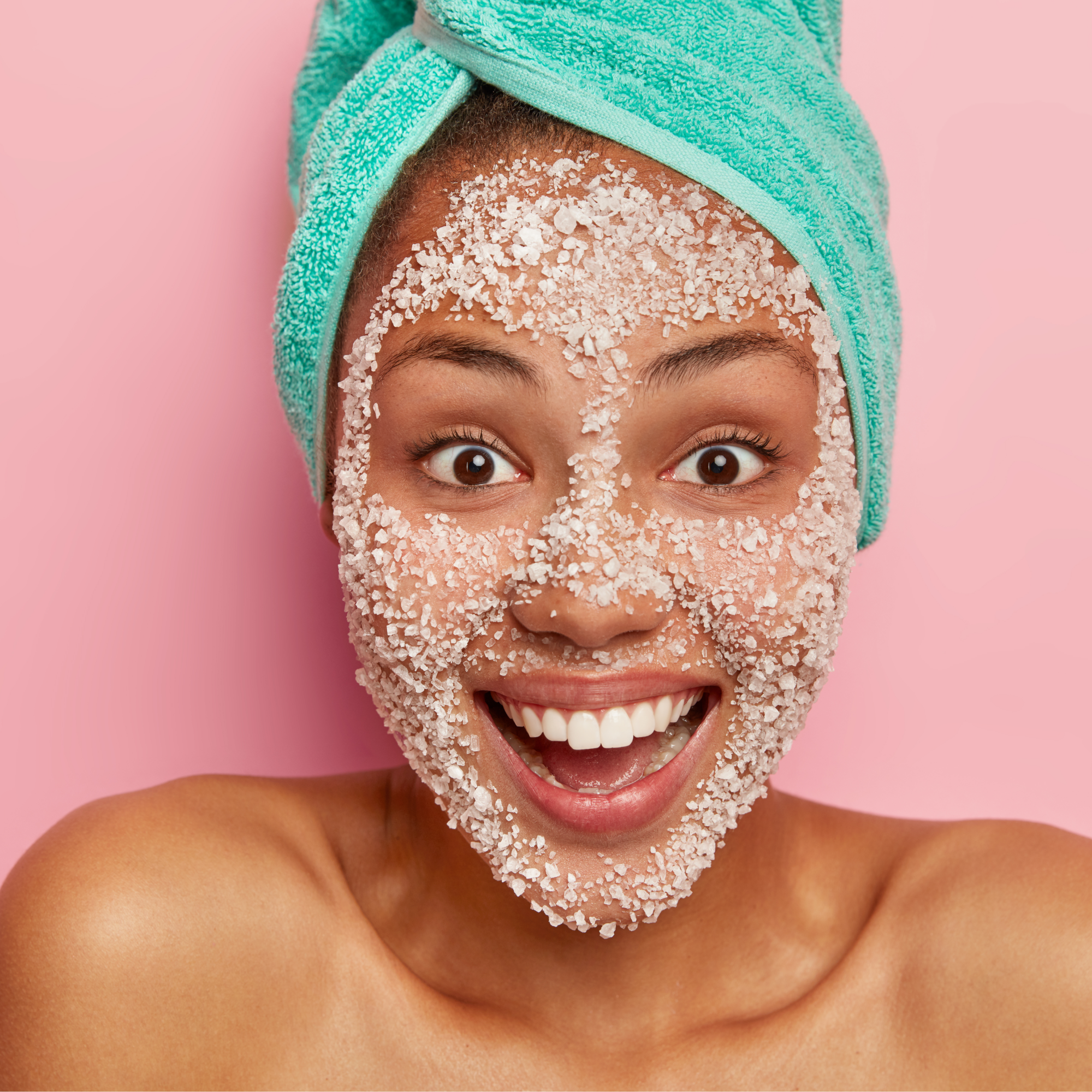
Acids are primarily used for exfoliation, but that word alone does not fully capture their impact. They work by helping to loosen the bonds between dead skin cells on the surface of the skin. This process accelerates cell turnover and reveals fresher and smoother skin underneath.
From a formulation and marketing perspective, this translates into visible benefits such as:
- smoother skin texture
- improved radiance
- reduction in the appearance of fine lines
- clearer-looking pores
- more even skin tone
This is why acids are found in so many product types, including toners, serums, masks and even cleansers.
Understanding the Three Main Families: AHA, BHA and PHA
Not all acids behave the same way. Choosing the right one depends on your target skin concern, your formulation type and your positioning.
AHA (Alpha Hydroxy Acids): Surface Renewal Experts
AHAs are water-soluble acids that work primarily on the surface of the skin. Common AHAs include glycolic acid, lactic acid and mandelic acid.
Glycolic acid has the smallest molecular size, which allows it to penetrate more easily and deliver stronger exfoliation. Lactic acid is slightly larger and more hydrating, making it more suitable for sensitive or dry skin types. Mandelic acid, with its larger structure, offers gentler exfoliation and is often preferred in beginner-friendly or acne-prone formulations.
AHAs are ideal for targeting:
- dull skin
- uneven tone
- early signs of ageing
- rough texture
BHA (Beta Hydroxy Acids): Oil-Soluble Clarifiers
The most common BHA in skincare is salicylic acid. Unlike AHAs, BHAs have more oil-affinity but still requiring water-soluble solvents to dissolve. However, their affinity allows them to better penetrate into pores and dissolve excess sebum.
This makes them particularly effective for:
- oily skin
- acne-prone skin
- blackheads and congestion
From a formulation standpoint, BHA systems require careful solubilisation and pH control to remain effective.
PHA (Polyhydroxy Acids): Gentle Multi-Taskers
PHAs, such as gluconolactone and lactobionic acid, are often described as the next generation of exfoliating acids. They have larger molecular structures, which means they penetrate the skin more slowly and are generally less irritating.
PHAs also bring additional benefits, such as hydration support, antioxidant properties, improved skin barrier function. With that perspective, they are excellent for sensitive skin, compromised skin barriers and beginner-friendly formulations.
pH: The Most Critical Factor in Acid Formulation
If you are a brand owner, you do not need to calculate pH or adjust it yourself. But you absolutely need to understand what it means for your product and your customer experience.
pH is what determines how “strong” or “gentle” your acid product will feel on the skin.
A lower pH means a more active, faster-working product, but also a higher risk of irritation. A higher pH creates a milder, more comfortable experience, but with more gradual results.
So instead of asking your lab for “a strong acid product”, the better question is:
What experience do I want my customer to have?
Do you want:
- a noticeable resurfacing effect
- a gentle daily glow
- a beginner-friendly exfoliator
Your lab will translate that into the right pH and acid system. Your role is to define the intention.
When Should You Choose AHA, BHA or PHA for Your Brand
Choosing the right acid is not a technical decision. It is a positioning decision. Each acid tells a different story and targets a different customer.
1. AHA: When You Want Visible Glow and Skin Renewal
AHAs are your go-to when your brand focuses on radiance, skin texture and anti-ageing positioning. They are ideal for products that promise smoother-looking skin, brighter complexion or refined texture.
So if your target audience is dull skin, uneven tone or early signs of ageing ; then AHAs are a strong choice.
From a product perspective, AHAs work beautifully in toners, serums, exfoliating masks. They are often your “instant results” category.
2. BHA: When You Target Oily and Acne-Prone Skin
BHA, especially salicylic acid, is your go-to for oily skin, blemish-prone skin, clogged pores. So if your brand targets breakouts, blackheads or congestion, then BHA should be part of your strategy.
It is particularly effective in targeted treatments, serums, cleansers. This is your “clarifying and purifying” positioning.
3. PHA: When You Want Gentle, Barrier-Friendly Skincare
PHAs are perfect when your brand focuses on sensitive skin, barrier repair or gentle exfoliation. They allow you to create products that exfoliate without irritation, hydrate while improving texture, feel safe for daily use.
If your audience is beginners, sensitive skin users or compromised skin, then PHA is your best entry point into acids.
These are ideal for daily toners, gentle serums, hybrid skincare products. This is your “soft, skin-friendly performance” category.
Which Product Type Should You Create First
This is one of the most important strategic decisions for a brand. Acids can be used in many formats, but not all formats are equal in terms of user experience and risk.
Toners: The Most Common Entry Point
Toners are the easiest and most popular format for acid products. They allow for controlled application, gradual results and easy integration into routines. This is often the best starting point for a new brand.
Serums: Higher Performance, More Responsibility
Serums are more concentrated and more targeted. They are ideal when you want a stronger positioning, more visible results, a “treatment product” in your range. But they require more careful formulation and clearer usage instructions.
Cleansers: Gentle and Beginner-Friendly
Acid cleansers are often overlooked. They provide short contact time, lower irritation risk an beginner-friendly positioning. This is a great option if your audience is new to acids.
Masks: Occasional, High-Impact Products
Masks allow for stronger formulations and controlled usage (once or twice per week). They are ideal for “instant glow” positioning and more intensive treatments.
How to Guide Your Customers Without Overcomplicating Things
One of the biggest mistakes brands make is assuming their customers understand acids. They don’t.
Your role is to simplify. Instead of explaining chemistry, explain when to use the product, how often, what results to expect.
For example:
A daily PHA toner can be positioned as:
“a gentle daily exfoliator that improves skin texture while keeping the skin comfortable”
A stronger AHA product can be positioned as:
“a resurfacing treatment to use a few times per week/month for smoother, brighter skin”
What You Need to Communicate to Your Lab
This is where you become a strong brand owner. Instead of saying: “I want an acid product”. You should be able to say:
- who the product is for
- how often it will be used
- how strong you want it to feel
- what texture you want
- what positioning you are aiming for
- what goals you are looking for
For example:
“I want a gentle daily exfoliating toner for sensitive skin that improves glow without irritation”
This gives your lab everything they need to build the right formula. The more precise your brief, the better your results.
How to Avoid Over-Exfoliation in Your Product Line
Many brands fall into the trap of creating multiple acid products without considering how they interact. This can lead to customer confusion, overuse and irritation complaints. Instead, design your range with intention.
Make sure each product has a clear role and a clear frequency of use For example:
- one daily gentle product
- one stronger weekly treatment
This creates a balanced routine and brand clarity for your customers.
How Acid Products Influence Your Brand Identity
Acid-based products are often hero products. They communicate expertise, performance, results.
A strong AHA toner positions your brand as results-driven. A gentle PHA product positions it as caring and barrier-focused. A BHA treatment positions it as problem-solving and targeted.
These choices shape how your brand is perceived.
Final Thoughts: From Ingredients to Strategy
Understanding acids is not about becoming a chemist. It is about becoming a better decision-maker for your brand.
When you know:
- when to use each type of acid
- how to position your products
- how to guide your customers
- how to brief your lab
You move from guessing to building intentionally. And that is what separates brands that struggle from brands that grow.
If you are looking to develop acid-based products that are aligned with your vision, your audience and your positioning, my lab can help you design formulas that are not only effective but also make sense within your brand strategy.
Here’s to formulas that work and brands that thrive!
From my lab to yours,
Rose




Add comment