
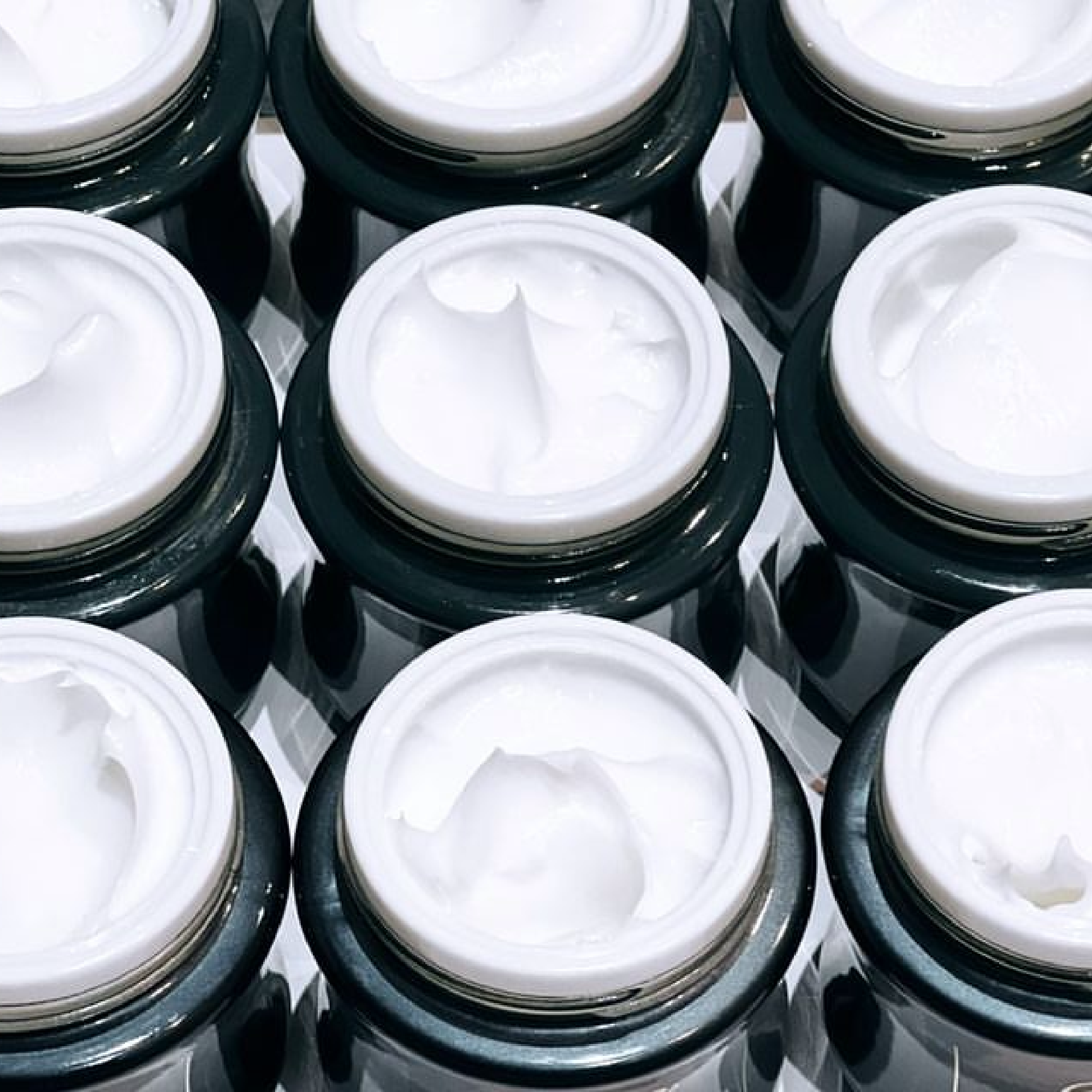
Let’s stir up some magic in the lab with today’s hot topic: building a skincare product line for very dry skin.
Very dry skin is uncomfortable, visibly rough and often associated with irritation, flaking and loss of radiance. Yet despite the number of moisturisers on the market, many products fail to provide real relief.
The reason is simple. Treating very dry skin requires a carefully designed formulation strategy. Hydration alone is not enough. Lipid replenishment is not enough either. Effective products must combine several mechanisms that support the skin barrier, restore comfort and prevent further water loss.
This means that building a successful product line for very dry skin requires both scientific understanding and thoughtful product architecture. A single moisturiser rarely solves the problem. Instead, a coordinated routine with complementary textures and ingredients is often the most effective solution.
In this article we will explore how cosmetic laboratories design skincare products for very dry skin. We will examine what the skin actually needs, how humectants, emollients and occlusives work together, and how founders can structure a product line that delivers real results.
Understanding Very Dry Skin
Before designing products for very dry skin, it is essential to understand what is happening biologically.
Very dry skin occurs when the lipid barrier of the stratum corneum becomes compromised. The outer layer of the skin normally contains ceramides, cholesterol and fatty acids that form a protective structure often compared to bricks and mortar. This structure prevents excessive water loss and protects the skin from environmental stress.
When these lipids become depleted, the barrier weakens. Water escapes through transepidermal water loss and the skin becomes dehydrated, rough and uncomfortable.
Several factors can lead to this condition. Genetics plays a role because some individuals naturally produce fewer barrier lipids. Environmental factors such as cold weather, wind and indoor heating also contribute to dryness. Harsh cleansers, over exfoliation and ageing can further weaken the skin barrier.
The result is skin that feels tight, appears flaky and often reacts more strongly to external irritants.
The Three Pillars of Moisturising: Humectants, Emollients and Occlusives
One of the most important concepts when designing products for very dry skin is the relationship between humectants, emollients and occlusives.
Humectants are ingredients that attract and bind water. They help increase the hydration level of the stratum corneum and improve skin flexibility.
Emollients soften and smooth the skin by filling microscopic gaps between skin cells. They improve the sensory feel of the skin and enhance comfort.
Occlusives form a protective film that reduces water loss. They seal hydration within the skin and provide long lasting protection.
A well formulated product line for very dry skin balances all three components.
Humectants deliver hydration, emollients improve texture and occlusives protect the barrier.
When one of these elements is missing, the moisturising effect becomes incomplete.
Choosing the Right Humectants for Very Dry Skin
Humectants form the foundation of hydration strategies.
Glycerin remains one of the most effective humectants in cosmetic science. It attracts water into the outer layers of the skin and improves barrier resilience. Because it is highly compatible with most cosmetic ingredients, glycerin is widely used in serums, creams and lotions.
Hyaluronic acid and sodium hyaluronate are also popular humectants. These molecules bind large amounts of water and create a temporary plumping effect on the skin surface.
Other useful humectants include sodium PCA, panthenol and betaine. Each contributes to hydration while supporting the skin’s natural moisturising factor.
In products designed for very dry skin, humectants are typically used in higher concentrations than in lightweight hydration formulas. However, they must always be balanced with emollients and occlusives to prevent moisture from evaporating.
Emollients That Restore Comfort and Smoothness
Emollients are essential for improving the texture and comfort of very dry skin.
These ingredients fill the spaces between skin cells and create a smoother surface. They also help soften rough areas and improve the sensory experience of a moisturiser.
Plant oils are among the most widely used emollients. Oils such as sunflower oil, jojoba oil and oat oil provide fatty acids that support the lipid barrier.
Esters and lipid mimicking ingredients also play an important role. Ingredients like squalane and certain plant derived emollients provide a silky feel while reinforcing the skin’s protective layer.
Butters such as shea butter and mango butter are frequently used in richer formulations. They provide both nourishment and mild occlusive properties, making them ideal for night creams and intensive moisturisers.
From a formulation perspective, emollients contribute significantly to the sensory identity of a product. A carefully chosen emollient blend can transform a simple moisturiser into a luxurious skincare experience.
Occlusives: The Protective Shield
Occlusives are particularly important for individuals with very dry skin because they prevent hydration from escaping.
These ingredients form a protective barrier on the skin surface that reduces transepidermal water loss.
Classic occlusive ingredients include petrolatum, mineral oil and lanolin derivatives. These ingredients are extremely effective at sealing moisture within the skin.
In natural oriented skincare lines, formulators may use plant waxes, shea butter or certain plant oils as partial occlusives. While these ingredients may not be as strong as petrolatum, they still provide meaningful protection.
The key is finding the right balance. Too much occlusion can make a product feel heavy or greasy. Too little occlusion may fail to protect the skin from dehydration.
Experienced cosmetic chemists carefully adjust the occlusive phase to match the intended product texture.
Barrier Repair: The Missing Piece in Many Moisturisers
One of the most important innovations in modern skincare for dry skin is barrier repair technology.
Instead of simply adding moisture to the skin, barrier repair ingredients aim to restore the lipid structure of the stratum corneum.
Ceramides are among the most widely used barrier lipids. These molecules are naturally present in healthy skin and help maintain the integrity of the barrier.
When combined with cholesterol and fatty acids, ceramides can recreate the natural lipid composition of the skin.
This approach is particularly effective for very dry or compromised skin because it addresses the root cause of barrier weakness rather than simply masking the symptoms.
Designing the Ideal Product Line for Very Dry Skin
A successful product line for very dry skin rarely consists of a single product. Instead, it includes a coordinated routine that addresses different stages of hydration and barrier protection.
The first product is typically a gentle cleanser designed to remove impurities without stripping the skin barrier. Cream cleansers or cleansing balms are often preferred because they maintain the skin’s natural lipids.
The second step is a hydrating serum (lightweight milky texture) that delivers concentrated humectants. This product helps replenish water content in the skin before heavier creams are applied.
Next comes a nourishing moisturiser rich in emollients and barrier lipids. This cream restores comfort and smoothness while supporting the skin’s protective structure.
Finally, many routines include an intensive treatment such as a night balm, oil serum or repair mask. These products provide stronger occlusion and deeper nourishment during overnight recovery or even during the day if your skin needs a little extra help.
Positioning a Skincare Line for Very Dry Skin
For founders launching a skincare line targeting very dry skin, clear positioning is essential.
Consumers with dry skin are often looking for immediate relief from discomfort. They want products that soothe tightness, reduce flaking and restore radiance.
Effective positioning emphasises barrier repair, deep nourishment and long lasting hydration.
Ingredient storytelling also plays an important role. Highlighting ingredients such as ceramides, oat oil or hyaluronic acid can help consumers understand how the product works.
Educational content can further strengthen the brand message. Explaining the difference between dehydration and dryness, for example, helps consumers recognise their skin needs and trust the expertise of the brand.
As we end this article for the week, let me leave you with my final thoughts
Creating a skincare line for very dry skin requires more than simply adding moisturising ingredients.
Successful formulations combine humectants that attract water, emollients that soften the skin and occlusives that protect hydration. Adding barrier repair ingredients such as ceramides will further strengthen the skin’s natural defence system and will be a big win in your formulas!
For beauty founders briefing a cosmetic laboratory, understanding this balance is essential. A well structured product line that addresses multiple aspects of dryness can deliver far better results than a single product designed in isolation.
When scientific formulation meets thoughtful product architecture, skincare products for very dry skin can provide the comfort and resilience that consumers are truly looking for.
Here’s to formulas that work and brands that thrive!
From my lab to yours,
Rose





Add comment