Marshmallow Root in Skincare: Why Hydration-Focused Brands Love This Ingredient
Let’s stir up some magic in the lab with today’s hot topic: marshmallow root in skincare and why hydration-focused brands are increasingly building entire product philosophies around this humble botanical.
If you are developing a premium skincare brand, a sensitive skin range, a barrier-repair line or even a moisture-focused haircare collection, marshmallow root deserves more than a passing glance. It is not just a “soothing extract.” It is a multifunctional, film-forming, slip-enhancing botanical ingredient that bridges sensorial luxury and functional performance in a way few plant extracts can.
What Is Marshmallow Root and Why Is It Used in Skincare?
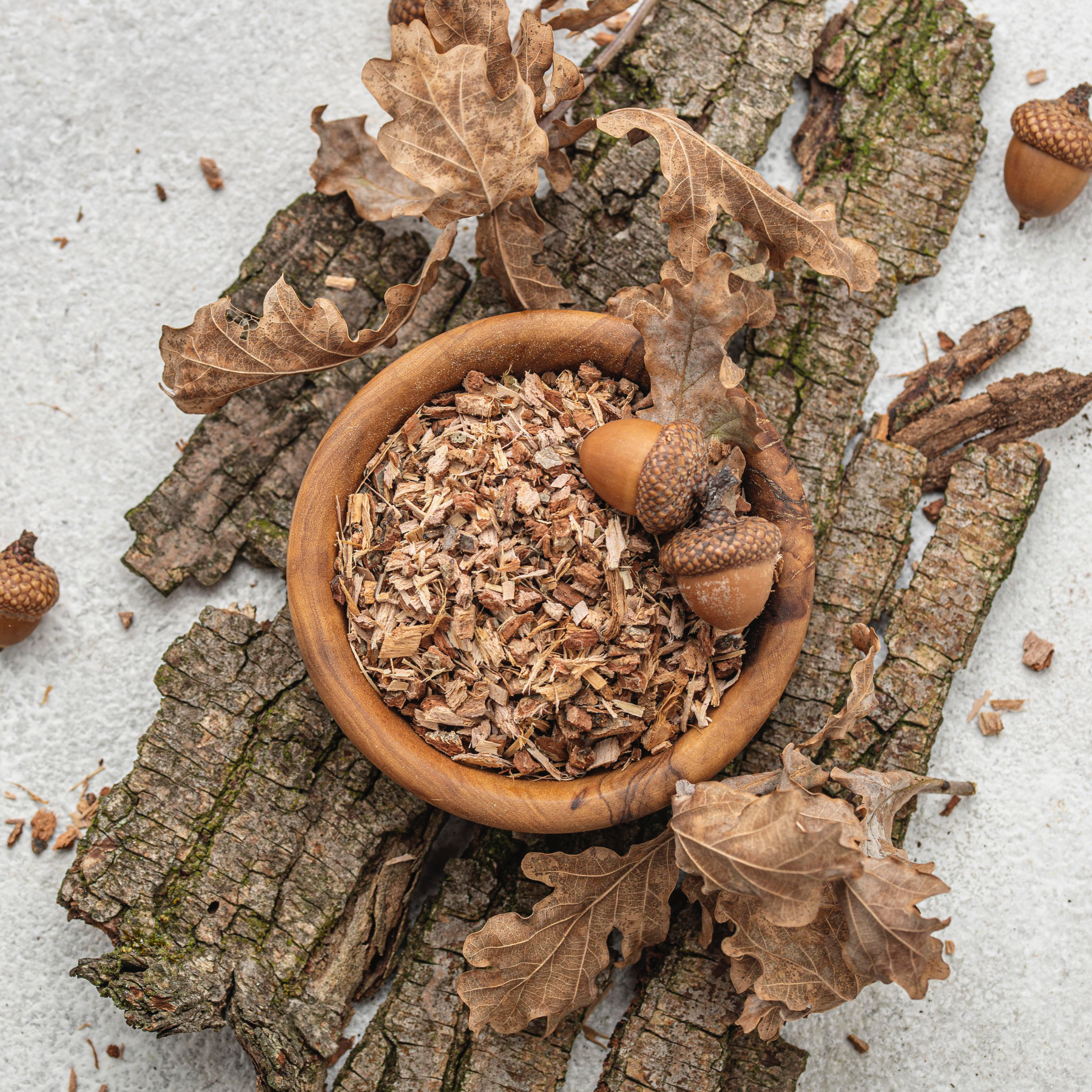
Marshmallow root comes from Althaea officinalis, a plant traditionally used in herbal medicine for its mucilage-rich properties. In cosmetic science, its value lies in those same mucilaginous polysaccharides.
Mucilage is a complex mixture of polysaccharides that forms a gel-like texture when hydrated. From a formulation perspective, this translates into hydration support, light film formation, improved slip and soothing benefits.
In modern cosmetic formulation, marshmallow root extract is typically available as:
- A water-based extract
- A glycerite
- A powdered extract
- A concentrated hydro alcoholic solution
For hydration-focused brands, marshmallow root sits beautifully within the current market trend toward barrier support, skin microbiome awareness and non-irritating botanical actives.
For more insights into botanical extract formulation strategies, see my step-by-step guide on Herbal Extraction for Cosmetic Formulators!
The Core Benefits of Marshmallow Root in Skincare Formulas
1. Hydration Support Through Film Formation
One of the most compelling reasons hydration-focused brands love marshmallow root extract is its natural film-forming capacity.
The polysaccharides create a soft, flexible film on the skin surface. This film:
- Reduces trans-epidermal water loss
- Improves perceived moisture levels
- Enhances smoothness
- Creates a subtle cushioning effect
Unlike heavy occlusives, marshmallow root does not suffocate the skin. It offers lightweight moisture retention, making it ideal for sensitive skin, reactive skin and dehydrated skin types.
In hydrating serums and barrier creams, this film-forming property can elevate both efficacy and sensory experience.
2. Soothing and Calming Properties
Marshmallow root is widely associated with soothing properties due to its mucilage and flavonoid content. This can translate to:
- Reduced appearance of redness
- Comfort for dry or compromised skin
- Support for post-exfoliation care
- Improved tolerance in active-heavy routines
For brands targeting post-treatment skin or sensitive skin demographics, marshmallow root can support a calming positioning strategy.
3. Slip-Enhancing Sensory Benefits
This is where marshmallow root becomes especially interesting from a premium formulation perspective.
Slip in cosmetic formulation refers to how smoothly a product glides over the hair or skin. Marshmallow root mucilage enhances glide and spreadability without relying solely on silicones. This is particularly helpful in hair care products! It can:
- Improve application flow
- Reduce drag
- Increase sensorial elegance
- Support a lightweight but cushiony afterfeel
Texture is often what makes a formula feel expensive. Marshmallow root helps deliver that experience naturally.
Marshmallow Root in Different Product Types
Hydrating Serums: In aqueous or lightly emulsified serums, marshmallow root enhances hydration perception and creates a silky glide. It pairs well with:
- Hyaluronic acid
- Glycerin
- Beta-glucan
- Panthenol
It works especially well in barrier-repair serums where you want a soft film without heaviness.
Creams and Barrier Repair Formulas – In emulsions, marshmallow root contributes to:
- Reduced tightness after cleansing
- Improved comfort for dry skin
- Enhanced tactile richness without increasing oil phase
It can support positioning around microbiome-friendly skincare, especially when combined with prebiotics and soothing botanicals.
Cleansers: In gentle cleansers, marshmallow root can reduce the stripping sensation associated with surfactants. It supports:
- Skin comfort during cleansing
- Reduced post-wash dryness
- Improved rinse feel
For premium brands, even the cleanser should feel nurturing, not clinical.
Body Care: In body lotions and creams, marshmallow root enhances spreadability over larger surface areas. It also supports positioning around:
- Dry winter skin
- After-sun body care
- Pregnancy-safe hydration ranges
Haircare Applications: Marshmallow root is particularly loved in natural haircare circles because of its detangling and slip properties. In hair conditioners, masks and leave-in creams, it can:
- Improve combability
- Reduce friction
- Enhance softness
- Support curl definition
Its film-forming properties can lightly coat the hair shaft, improving manageability without heavy buildup.
If you are developing a hydration-first haircare line, this ingredient can bridge skincare and haircare storytelling beautifully.
Marshmallow Root and Premium Brand Positioning
If you are building a premium skincare brand, the ingredient alone is not enough. Positioning matters. Marshmallow root can support several brand narratives:
- Botanical science
- Barrier-first hydration
- Sensitive skin luxury
- Ritual-based application
- Clean beauty with performance
The key is not to oversell it as a miracle active. It is a supportive, functional botanical. Its power lies in synergy.
What Founders Should Ask Their Cosmetic Lab
If you are requesting marshmallow root in a formula, here are critical questions to ask your lab.
What Type of Extract Is Being Used?
Is it a Glycerite? a Water extract? a Standardised extract? a Powder dispersed into the water phase?
What Is the Inclusion Rate?
Low percentages may deliver minimal functional impact but too high percentages can contribute to pilling. Ask your lab at what percentage does it meaningfully contribute to hydration or slip?
How Does It Impact Stability?
Mucilage-rich extracts can:
- Increase viscosity
- Interact with thickening systems
- Influence preservation systems
Does It Affect Microbial Risk? Botanical extracts can increase microbial susceptibility if not properly preserved.
Ask about:
- Challenge testing results
- Preservative compatibility
- Shelf life data
Regulatory compliance always comes before marketing storytelling.
For more on preservation systems, read our article on Natural Preservation Systems!
The Limitations of Marshmallow Root
No ingredient is perfect. Marshmallow root is not:
- A strong anti-ageing active
- A collagen stimulator
- A pigment corrector
- etc.
It is not designed to deliver dramatic transformation. Its value lies in:
- Comfort
- Hydration perception
- Sensorial refinement
- Barrier support
Used strategically, it elevates formula harmony rather than dominating it.
As I leave you for the week, let’s end our little chat by asking ourselves a simple question: Is Marshmallow root worth it?
And my answer is simple: absolutely, if used intelligently. Marshmallow root is not a trend gimmick. It is a formulation-supporting botanical that enhances texture, comfort and hydration performance.
For founders building premium skincare brands, especially those centred around ritual, barrier health and sensorial luxury, it can be a quiet hero ingredient.
As always, success lies not in the ingredient alone but in execution, positioning and regulatory discipline.
Here’s to formulas that work and brands that thrive!
From my lab to yours,
Rose


Add comment