The Real Timeline from Product Idea to Launch: What Beauty Founders Need to Know
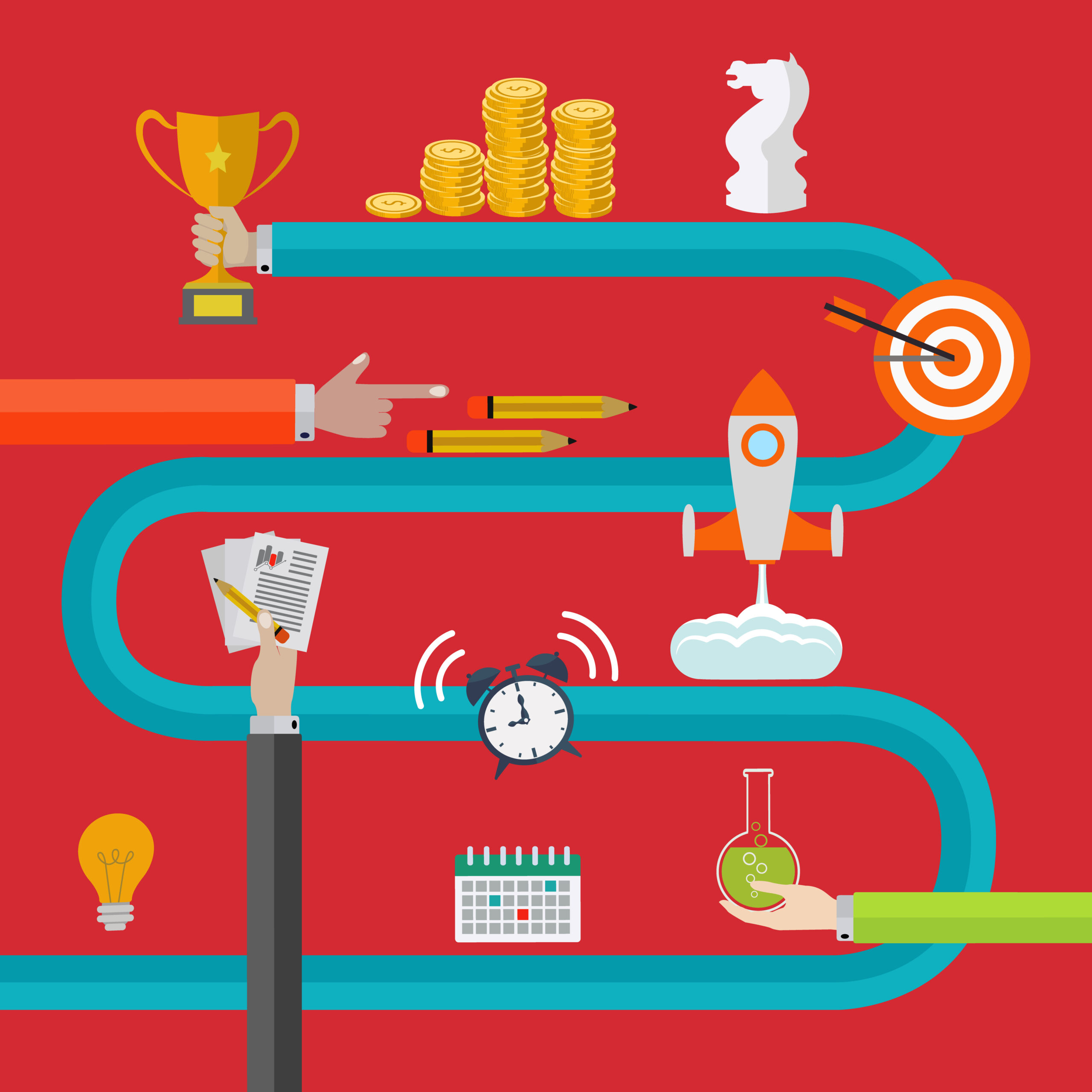
Let’s stir up some magic in the lab with today’s hot topic: the realistic timeline from product idea to full-scale launch when working with a cosmetic manufacturing laboratory (or on your own for that matter). If you have ever wondered how long it really takes to bring a new cosmetic product to life, this guide will give you the transparent, step-by-step breakdown every founder needs before starting development.
One of the biggest misconceptions among new beauty entrepreneurs is that creating a cosmetic product is quick. They imagine a few weeks for formulation, a few weeks for packaging and then launching almost immediately. But in reality, a safe, compliant and stable formula requires time, coordination and regulatory due diligence. When you collaborate with a professional cosmetic laboratory, each step of the journey must be carefully executed to ensure your product performs beautifully, passes all required tests and is legally compliant in your target market.
This article walks you through that journey in an accessible way while staying firmly grounded in the real operational workflow of a manufacturing lab. The process includes early discussions, ingredient sourcing, sampling rounds, reformulation cycles, stability testing, packaging procurement, full-scale production, quality checks and distribution preparations. By the end, you will understand exactly why this timeline protects your brand and sets you up for a successful launch.
Step 1: Finalising the Product Brief (2 to 4 Weeks)
Every great cosmetic product begins with a crystal-clear brief. This initial stage involves collaborative discussions between the brand founder and the cosmetic chemist to define the product’s purpose, target audience, texture, fragrance direction, active ingredients, claims strategy and budget.
During this phase, the lab assesses feasibility, regulatory considerations, raw material restrictions, ingredient availability, etc. These conversations require time because brand founders often refine their vision as they better understand formulation possibilities.
A realistic timeline for this first step is 2 to 4 weeks, though it may extend to 6 weeks if the concept is complex or involves multiple SKUs.
The clearer your brief, the smoother the entire development journey becomes. Review our last article on How to Write a Strong Product Brief, to help you in this phase of your product development!
Step 2: Ingredient Research, Sourcing and Formula Planning (3 to 4 Weeks)
Once the brief is approved, the chemist begins researching appropriate ingredients and sourcing raw materials from trusted suppliers. This stage typically requires 3 to 4 weeks. Raw materials often come from different suppliers, and lead times vary depending on availability, stock levels, and whether the ingredients are common or specialty materials.
During this same window, the chemist also prepares the formula outline and method. This translates your brief into a functional recipe that respects ingredient compatibility, stability constraints, emulsion systems, performance expectations and regulatory limits.
New founders are often surprised that sourcing alone can take weeks, but cosmetic-grade raw materials are regulated and must be purchased from approved, traceable suppliers. This step is foundational for product safety and compliance.
Step 3: First Lab Samples (2 to 3 Weeks After Materials Arrive)
Once ingredients reach the laboratory, the chemist formulates the first batch. This takes 2 to 3 weeks to prepare multiple lab samples and run initial checks to evaluate which sample(s) gets closer to the initial brief.
Most cosmetic labs will produce 3 to 4 first-version samples, each representing different variations in texture, viscosity, or active load. This gives founders the chance to evaluate which direction aligns best with their brand vision.
After the samples are ready, the lab ships them to you. Delivery usually takes approximately one week, depending on your location.
Now it is your turn to thoroughly test each sample and provide feedback. That feedback can take one day or two weeks, sometimes even longer. We adjust the timeline accordingly.
Step 4: First Feedback Loop and Reformulation (2 to 3 Weeks)
Once you provide feedback, the chemist revises the formula. This adjustment stage typically requires another 2 to 3 weeks. Then, we prepare new samples, perform additional preliminary checks and ensures that your requested changes do not compromise formula performance or regulatory compliance.
From here, the lab sends out the revised samples. Again, allow one week for shipping plus however long you need to test the samples.
Some products require more than one revision cycle. This often happens for:
-
Complex textures (whipped creams, balms, emulsions)
-
High-active formulas (exfoliants, retinoids, peptides, sensitive skin types)
-
Haircare styling products that require precise performance
-
Fragranced products where scent must be refined multiple times
Revisions are normal and expected. Every brand you admire has gone through this step many times. You may require 2 to 6 more cycles of samples, it will depend form project to project.
Step 5: Final Formula Approval and Pre-Production Stability Testing (Minimum 12 Days)
Once the revised formula meets your expectations, you confirm approval. At this stage, the laboratory:
-
Conducts preliminary stability testing through a freeze/thaw testing process, which requires at least 12 days
-
Orders materials for the accelerated stability test and preservative efficacy test (if necessary)
-
Finalises the formula, method and supplier information for the PIF (Product Information File) as well as the forms needed by the safety assessor
This step prepares the product for full stability testing and manufacturing. It is an essential checkpoint that ensures the formula is ready to progress toward compliance and scale-up.
Step 6: Full Stability Testing, Compatibility Checks and Packaging Procurement (Minimum 3 Months)
Stability testing is one of the most important and time-consuming parts of cosmetic development. An accelerated stability test takes about 3 months, plus the time needed to manufacture the samples. Alongside this test, a preservative efficacy (challenge) test is also conducted. You should count about 4 months before packaging or printed components can be ordered with confidence.
During this time, the laboratory tests:
-
Heat stability
-
Freeze-thaw cycles
-
Light exposure
-
Microbial robustness
-
Packaging compatibility
-
Formula-consistency over time
These tests determine whether the product remains safe, stable and aesthetically appealing under expected and extreme conditions.
In parallel to the end of these tests, you must start placing orders for:
-
Packaging components
-
Labels or printed artwork
-
Secondary packaging (if applicable)
-
Outer cartons or transport packaging
Due to the beauty industry’s global supply chain, packaging procurement typically requires approximately 1 to 3 months. Custom moulds or luxury components may take significantly longer. Many new founders underestimate this step, but packaging timelines often become the bottleneck that delays a launch if not planned well.
Step 7: Manufacture Preparation and Ordering All Components (Approximately 3 Months)
Once stability testing shows no issues and packaging is in production, the lab prepares for scaling up. This includes:
-
Ordering bulk raw materials
-
Reserving manufacturing slots
-
Preparing equipment and processes
-
Planning filling and labelling workflows
This is a major milestone because it marks the shift from development to production. At this stage, delays are not unusual and can stem from suppliers, artwork finalisation, regulatory labelling updates, etc. This stage can be as fast as 2 weeks and as long as 12 weeks, depending on what your project is and how large your batch is.
Step 8: Full-Scale Production and Quality Checks (1 to 4 Weeks)
Once all components arrive at the lab, full-scale manufacturing begins. This stage, based on industry average, typically requires 1 to 4 weeks.
The process includes:
-
Weighing, mixing and heating
-
Homogenisation or emulsification
-
Cooling phases
- pH control
-
Appearance and odour consistency
- Filling & fill weight accuracy
-
Packaging integrity
-
Labelling
-
Batch coding
- Secondary packaging
Step 9: Delivery, Fulfilment and Launch Planning
After the product passes quality control, it is released to you or your fulfilment provider. Delivery times vary by region but usually range from a few days to a few weeks.
At this point, you should already be:
-
Planning your launch calendar
-
Finalising your marketing and social media assets
-
Preparing press materials
-
Training your sales or retail partners
-
Organising product photography and videos
-
Setting up your e-commerce listing and backend
To be well-prepared founder, you should definitely use this development timeline to work on branding, packaging design, claim substantiation, marketing strategy and pre-launch engagement! These parallel activities will ensure that once your stock arrives, you are ready to sell.
So What Is the Total Timeline?
When adding all steps together, the realistic timeline for bringing a cosmetic product from idea to launch with a professional manufacturing lab is:
Approximately 9 to 15 months.
Simple products with minimal complexity might be ready in 6 to 9 months, while advanced treatments or multi-SKU lines may require 12 to 18 months.
This timeline is not a sign of inefficiency. It is evidence of:
-
Regulatory compliance
-
Formula safety
-
Product stability
-
Quality assurance
-
Supplier coordination
-
Professional-grade manufacturing
Launching a cosmetic brand is a serious business. The timeline reflects the level of care, precision and expertise required to bring a high-quality, safe product into the world.
Trust the Process and Build a Brand That Lasts
If you take away one message from this guide, it is this: the timeline protects you. Rushing development almost always leads to costly mistakes, reformulations, regulatory issues or disappointing customer experiences.
But when you work with a skilled cosmetic laboratory, follow a structured development cycle and understand the realistic timeline, you gain something priceless: confidence. You know your product is safe, stable, effective and ready to enter the market with strength.
Building a beauty brand is both a creative and strategic journey. Let this timeline guide you, support you and empower you as you bring your vision to life.
Here’s to formulas that work and brands that thrive!
From my lab to yours,
Rose

Add comment