Let’s stir up some magic in the lab with today’s hot topic: liquorice extract in skincare.
Few botanical ingredients generate as much excitement in the beauty industry as liquorice extract. It appears in brightening serums, calming creams, hyperpigmentation treatments, and products targeting sensitive skin. It is widely considered one of the most effective plant-derived ingredients for improving uneven skin tone and reducing redness.
But where does liquorice extract truly fit in modern cosmetic formulation?
In this article, we will demystify liquorice extract from a cosmetic chemist’s perspective. We will explore what the ingredient actually does, how to formulate with it, what claims are realistic and compliant, and which product categories benefit most from its properties.
If you are developing skincare products or planning a new launch, understanding liquorice extract can help you create products that are both effective and compliant!
What Liquorice Extract Really Is
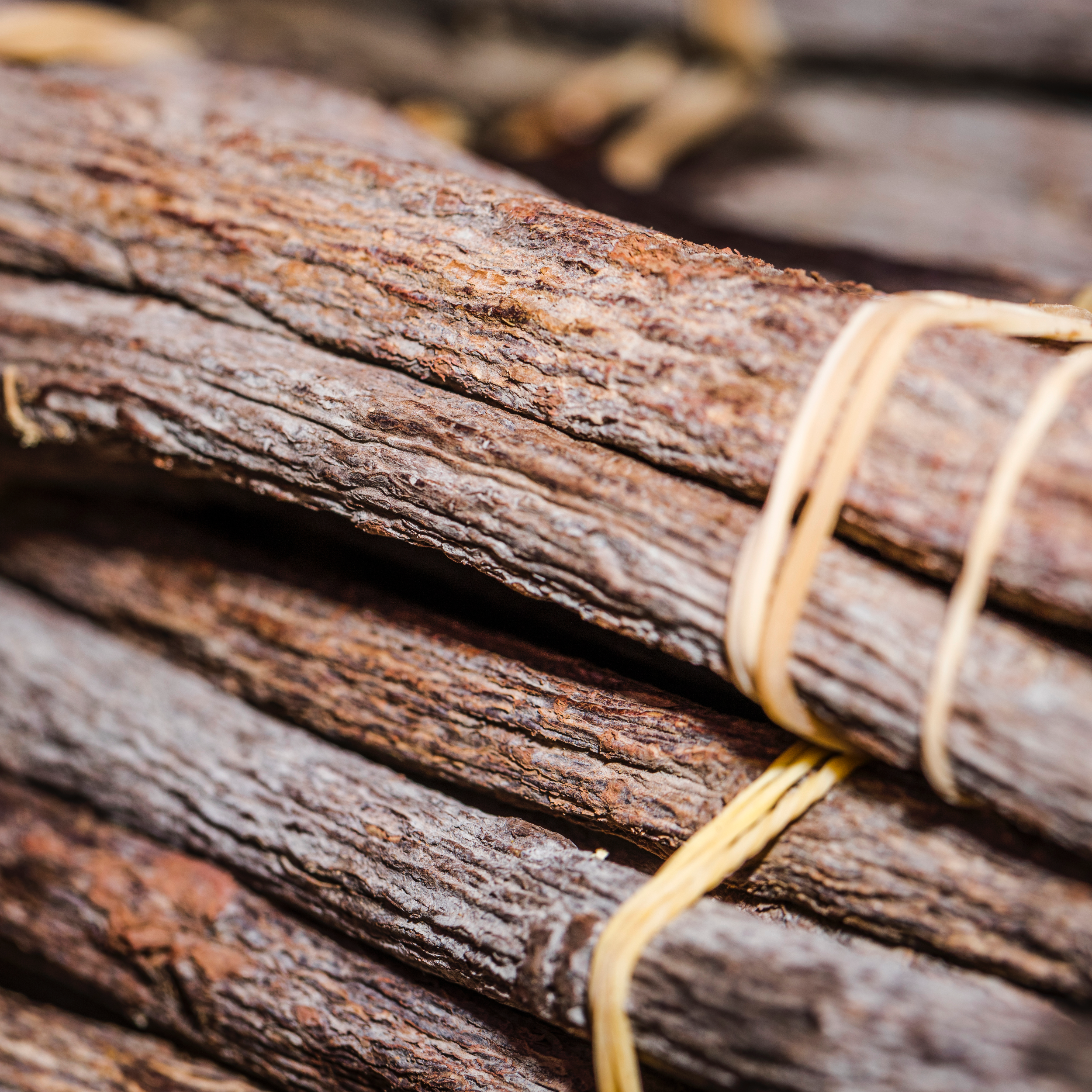
Liquorice extract comes from the root of the plant Glycyrrhiza glabra, although other species such as Glycyrrhiza inflata and Glycyrrhiza uralensis are also used in cosmetic ingredients.
The plant has been used for centuries in traditional medicine across Asia, the Middle East and Europe. In cosmetics, however, its popularity comes from a group of compounds known as flavonoids and triterpenoids.
The most important cosmetic components include glabridin, liquiritin, licochalcone A and glycyrrhizin.
Each of these compounds contributes slightly different benefits. Glabridin is widely studied for its effect on pigmentation pathways. Licochalcone A is known for its anti inflammatory properties and is often used in sensitive skin formulations. Glycyrrhizin provides soothing and skin conditioning effects.
When formulators refer to liquorice extract, they are usually working with one of these three ingredient types:
- A hydro-glycerin soluble extract
- An alcohol-based extract
- A standardised extract containing a defined level of glabridin, glycyrrhizin or licochalcone
Understanding which format you are using is essential because the performance of the ingredient depends heavily on its extraction method and active concentration.
Why Liquorice Extract Became a Brightening Superstar
One of the main reasons liquorice extract became so popular in skincare is its potential ability to help reduce the appearance of uneven skin tone.
The compound glabridin has been studied for its interaction with the tyrosinase pathway, which plays a key role in melanin production. By influencing this pathway, liquorice extract can help reduce the appearance of hyperpigmentation and dark spots over time (the latter being a key work!! Nothing happens overnight!).
This mechanism makes liquorice extract particularly attractive for products targeting post inflammatory hyperpigmentation, sun induced pigmentation and uneven complexion.
Consumers often describe the results as a brighter or more luminous complexion rather than a dramatic whitening effect. This distinction is important because it reflects both realistic cosmetic performance and regulatory expectations.
In practice, liquorice extract works best as part of a broader brightening strategy that includes other well known actives such as niacinamide, azelaic acid (& derivatives) or vitamin C (& derivatives).
Used alone, it can contribute to tone improvement but it benefits more from being paired well with other actives. Used strategically, it can help create noticeable improvements in skin radiance.
The Regulatory Reality of Brightening Claims
One of the most important considerations when formulating with liquorice extract is the language used in product claims.
In the European Union, cosmetic claims must comply with the EU Cosmetic Regulation and the common criteria for cosmetic claims. These criteria require that claims be truthful, supported by evidence and not misleading to consumers.
Words such as whitening or bleaching can easily cross into territory that suggests a medicinal or pharmacological effect.
For this reason, the industry generally favours softer language that reflects cosmetic outcomes rather than biological alteration.
Common compliant claim language includes phrases such as improving the appearance of uneven skin tone, enhancing skin radiance, helping reduce the appearance of dark spots, or supporting a more luminous complexion.
These types of claims align well with the documented cosmetic effects of liquorice extract while remaining within the scope of cosmetic regulation.
Formulating With Liquorice Extract
Liquorice extract is relatively versatile in cosmetic formulations, but its performance depends heavily on the formulation environment.
Water soluble extracts, tinctures, or glycerites are easiest to incorporate into emulsions, serums and toners. They are typically added during the cool down phase to protect sensitive flavonoid compounds from degradation.
Oil soluble extracts containing glabridin may require solubilisation systems depending on the product type.
Standardised water-soluble extracts in liquid or powder forms can also be found among specific cosmetic ingredient suppliers and can get your products to the next level.
But, by far, combining liquorice extract with complementary actives is the way that all most significantly enhance the performance of your skincare product.
Best Product Categories for Liquorice Extract
Liquorice extract performs particularly well in products designed to address uneven skin tone, redness and skin sensitivity.
Brightening serums are one of the most common formats. These products allow the ingredient to be delivered in higher concentrations and combined with other targeted actives.
Another excellent category is soothing creams for sensitive or reactive skin. Because liquorice extract contains anti inflammatory flavonoids, it can help reduce the appearance of redness while improving overall comfort.
Toners and essences are also ideal vehicles for liquorice extract because they allow the ingredient to interact with the skin in a lightweight, easily absorbed format.
For brands developing targeted hyperpigmentation products, liquorice extract can serve as a central botanical ingredient within a broader brightening system.
What Consumers Actually Expect
Understanding consumer expectations is just as important as understanding ingredient science.
Most consumers purchasing products containing liquorice extract are looking for three things.
- A brighter looking complexion.
- A reduction in visible dark spots or uneven tone.
- A soothing effect that improves skin comfort.
Sometimes, they may expect overnight transformation but it is important to effectively communicate with your audience to make them understand that this is not a realistic expectation to have from any cosmetic product. However, modern skincare consumers are increasingly aware that botanical ingredients work gradually and often require consistent use over several weeks to actually see any difference.
This is where education becomes a powerful marketing tool. Explaining how ingredients like liquorice extract support skin radiance and calm irritation can help consumers appreciate the science behind the formula.
As I leave you for the week, let me share with you my final thoughts…
Liquorice extract is a perfect example of how botanical ingredients can bridge the gap between tradition and modern cosmetic science.
When used thoughtfully, it offers multiple benefits including tone improvement, soothing properties and compatibility with a wide range of formulations. At the same time, successful use requires an understanding of chemistry, regulatory claim language, ingredient formats and realistic consumer expectations.
If you are aiming to develop or launch brightening products that remain gentle and compliant, liquorice extract can be an excellent cornerstone ingredient.
The key is approaching it with both creativity and regulatory awareness.
Here’s to formulas that work and brands that thrive!
From my lab to yours,
Rose



Add comment